
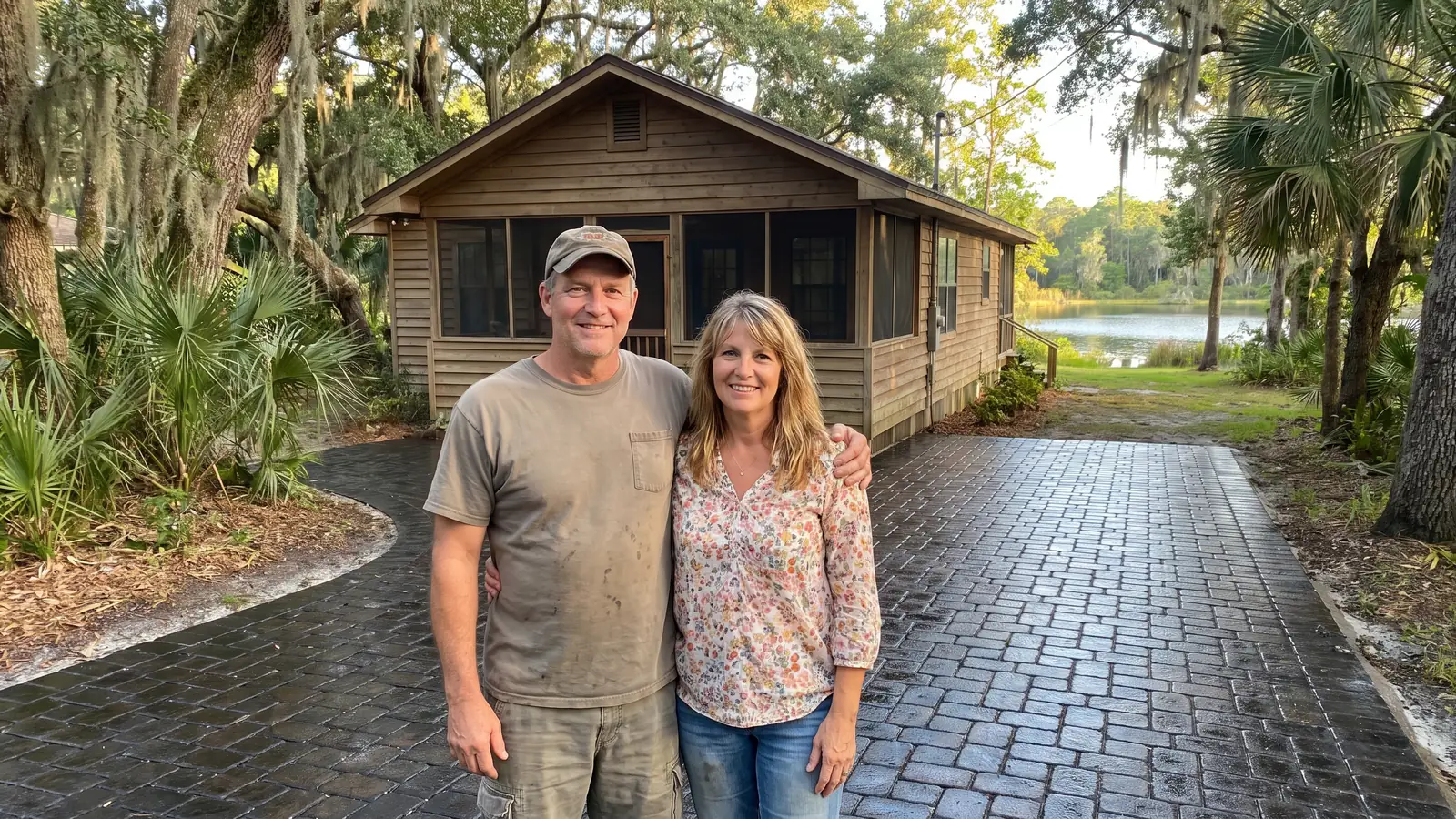
Paver sealing for Cedar Hills homes
Paver Sealing in Cedar Hills, FL
Cedar Hills ranch homes with patios off the sliding doors can get a free paver sealing estimate; call (904) 736-3472.
- Brings out deeper paver color
- Fresh joint sand helps lock pavers in place
- Gives weeds less room to grow
- Makes the surface easier to keep clean
- Free estimate, no obligation
Request a Free Estimate
Free, no obligation.
Fast, careful paver sealing in Cedar Hills
For paver sealing in Cedar Hills, start with a free estimate and expect an answer within 1 business day, usually much sooner. Contractors here wash, re-sand and seal the driveways, front walks and back patios of the neighborhood's brick and block ranches. Call (904) 736-3472 to book the visit.
Many Cedar Hills pavers were laid long after the houses went up in the 1940s and 1950s. By now they may be faded, patchy and thin in the joints. Cleaning, fresh sand and a new coat bring one even color back to a long driveway. A call to (904) 736-3472 is all it takes to ask.
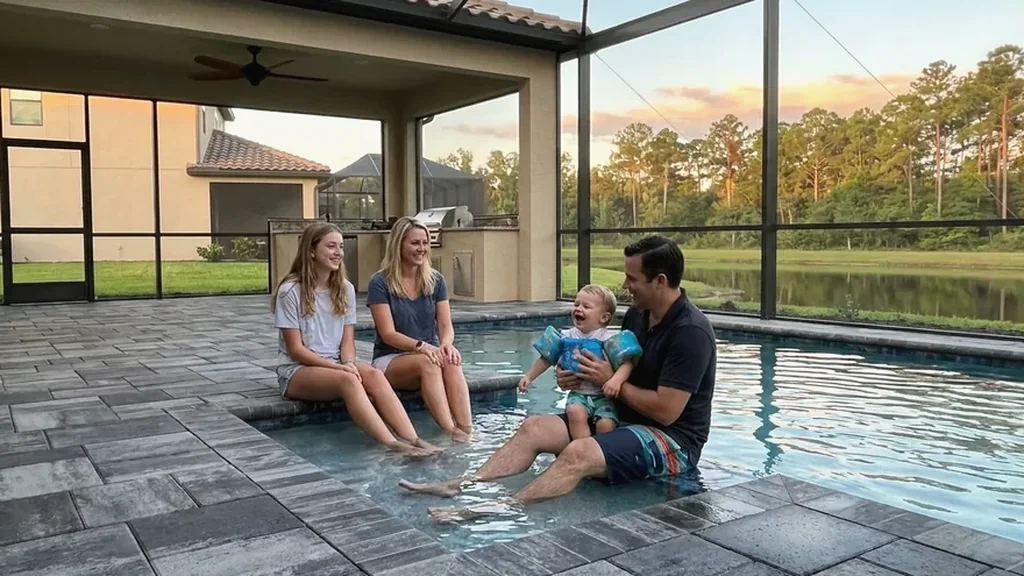
Why hire a local paver sealing contractor in Cedar Hills?
Cedar Hills is a brick and block ranch neighborhood, so most of its pavers arrived later and from many hands. A local contractor starts by working out what you have, and you can ask for your free estimate to set that up.
Free look at the whole drive
The contractor measures your Cedar Hills driveway from street to garage, plus the walk and patio. No charge for the visit.
Start from a posted range
Companies around Northeast Florida post $1.75 to $3.25 per square foot, a handy yardstick for a long Cedar Hills drive.
A finish that suits brick
Matte rests easily beside red brick or painted block. Wet look adds depth, but scuffs appear sooner where the family parks.
The decision is yours
Nobody pushes a date. You choose the finish and the timing, and an estimate here comes with no strings.
Get Your Free Estimate in Cedar Hills
Tell us about your pavers in Cedar Hills.
Free, no obligation
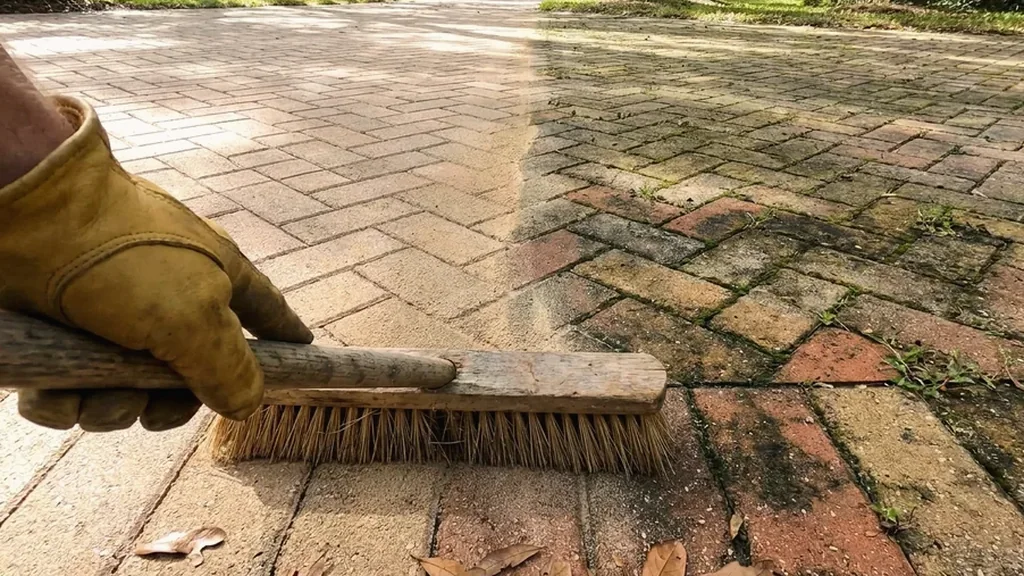
What paver problems show up most in Cedar Hills?
Pavers added to 1950s houses
Cedar Hills was built in the 1940s and 1950s, and a real estate page puts the homes in nearby Cedar Hills Estates at 1955 to 1971. A paver driveway here was likely added later, by an owner or a past owner. That means nobody may remember who sealed it or with what. Because water-based sealer will not go over solvent-based sealer, the old coat has to be identified first. Ask your neighbors if you can, since a street often shares one installer. A small test patch can also show what the old coat is made of. Until that is known, nobody should pour a new product over it. Cedar Hills homes are brick or concrete block, so pavers often meet a masonry wall. Rinse water has to be aimed with care there.
Roof water from wide eaves
A key feature of the ranch house is a large overhanging eave. Rain that runs off a long, low roof lands in a line along the foundation or onto the pavers beside it. A landscape trade group says settlement can occur near downspouts. A dip along that line holds water, and sealing preserves the dip, so it should be reset first. Walk the house line after a heavy rain and look for pooling. That tells you more than a guess does. If the dip is small, the repair can be quick. Cedar Hills was planned with wide front setbacks, so a long run of driveway can sit in open sun. Sun fades color, and shade grows film.
Long driveways with wide front yards
Cedar Hills lots have large front frontages and wide setbacks, according to a Jacksonville planning writer. That means the driveway can be a long run of pavers. A long driveway has a lot of joint to refill after washing, and one weak stretch near the street can go unnoticed. Walk its full length before you call. The far end of a long driveway is also where tires turn and sand tends to leave first. Mention the length of your drive when you call, since it shapes the whole estimate. Joints that look hollow near the garage are a good place to start. A ranch house has a long, low roofline and large overhanging eaves. Roof water can drop in a single line beside the pavers, and that line is worth checking.
Summer rain that empties the joints
Jacksonville gets about 52 inches of rain a year, mostly from May to September, often in brief but intense downpours. The same trade group warns that heavy rain washes joint sand out, and open joints invite weeds. Pavers that went in years ago have been through many storms. Thin joints are common on older driveways. Fresh sand ends that cycle for a while. Joints that stay full keep weeds out, which means less pulling for you. A joint that looks thin near the garage apron usually means the rest is thin too. A driveway that was widened later may sit on a different base from the original. Mention any change you know about.
Shaded corners near the Cedar River
Many homes along the shore of the Cedar River have been expanded or rebuilt. A landscape trade group says moss and algae grow on pavers where shade is heavy and the surface stays damp. A back patio under branches is the usual spot. Wash it clean, and sealer can go on. Pavers beside a screened or covered patio can stay shaded all day. They need a longer dry time before the coat. A covered patio can add to that. Sliding doors that open onto a patio mean pavers meet the house at floor level. Water that pools there needs a place to go.
Are Cedar Hills pavers different because the homes are brick ranches?
In a few ways, yes. Cedar Hills has about 3,000 single-story brick or concrete block homes in seven neighborhoods, built mostly in the 1940s and 1950s. Ranch homes have attached garages and sliding doors that open onto a patio, which means pavers usually sit right against masonry. Mention the wall material when you ask for your free estimate.
The area runs from Blanding Boulevard on the east to Lane Avenue on the west, along the Cedar River, with the Cedar Hills Shopping Center at its heart. Wilson Boulevard was finished in 1955 and carries traffic through. If you live near it or on one of the storybook streets, call (904) 736-3472 and name your street.
Street names here follow a nursery rhyme theme, from Mother Goose Road to Peter Pan Place and the Flopsy, Mopsy and Cotton Tail lanes. Nearby Sweetwater and Cedar Hills Estates have their own histories, with the Mary Lena Gibbs Community Center on the old armory site. Wherever you are in Cedar Hills, ask for your free estimate and describe what you have.
What does paver sealing cost in Cedar Hills?
Start from the regional range of $1.75 to $3.25 per square foot to clean, sand and seal. A Cedar Hills driveway can run long, so the total may land higher than you expect even at a fair rate. Missing sand and old sealer also move it, and ask for your free estimate gets you a number for your pavers.
Repairs add to the price. A dip near the eave line has to be reset before sealing, and a patio behind a side gate takes more hand work than an open drive. Call (904) 736-3472, and the contractor can say which of these fit.
| Paved area | Typical example | Clean, sand and seal |
|---|---|---|
| 300 sq ft | Small patio or walkway | $525 to $975 |
| 600 sq ft | Two car driveway | $1,050 to $1,950 |
| 1,000 sq ft | Large driveway or pool deck | $1,750 to $3,250 |
| 1,500 sq ft | Driveway plus pool deck | $2,625 to $4,875 |
Math based on the $1.75 to $3.25 per square foot that Northeast Florida paver companies publish. Your contractor sets the actual price after seeing the surface. Repairs, leveling and stripping failed sealer are usually extra.
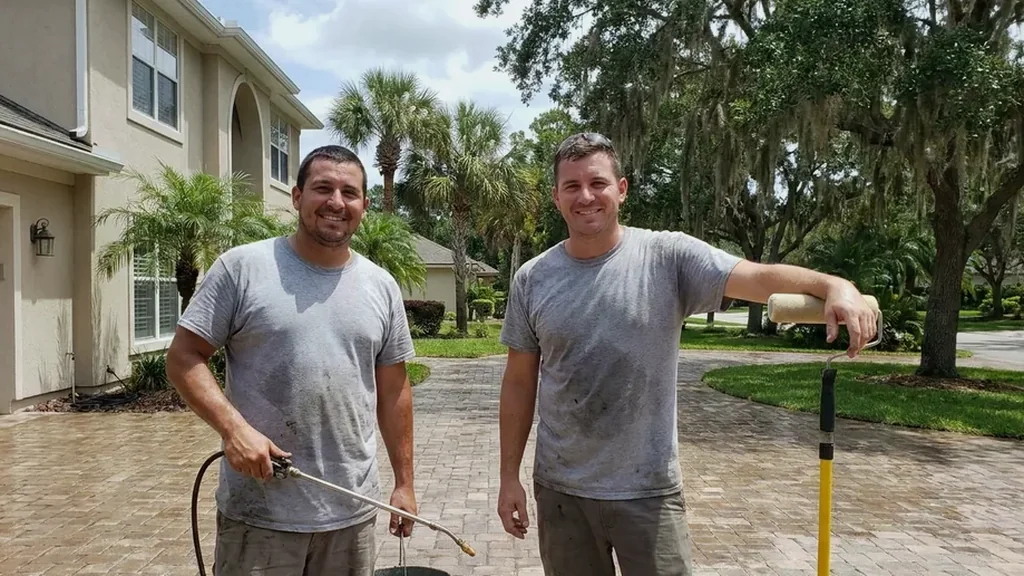
How does a paver sealing job work in Cedar Hills?
Walk the length of the drive
The contractor starts at the street and walks to the garage door, then looks at the front walk and the back patio. Dips along the eave line get marked for repair. If the driveway was sealed once before, that earlier coat sets the rules for the next one. Bring up any past repair, since a patched section can sit on a different base. Tell the contractor about trouble spots you know of, such as a corner that never dries. Take a few photos of the whole drive before the visit. They help when you compare quotes later.
Lift the oil and green film
The wash clears oil from the garage apron, green film from shady corners and years of gray. Rinse water is aimed with care wherever pavers meet brick or block. A second pass handles stubborn stains, because nothing dirty should be sealed in. On a long driveway the wash is done in sections, so each part is rinsed before the film can dry back. Oil from the apron may need a second pass. The wash is aimed so water does not push under the garage door or against the brick. Sill areas are rinsed by hand.
Top up the joints
Washing pulls out joint sand, and a long drive has a lot of joint. Crews sweep sand in until each one is full, give the edges extra attention, and clear the excess so it will not scuff the new coat. Joint sand costs little next to what open joints can cause later. The edges are checked last, because they are the first place sand leaves. On long drives, sand goes in section by section. A broom pass at the end clears loose grains from the surface.
Wait out the damp spots
A sunny drive dries fast, but a back patio under trees takes longer. The contractor checks the pavers and the forecast before the first coat. A dry-looking paver can still hold moisture, so ask what check is used. Look for darker joints on the shaded patio, since those hold water longest. Wait times are written down for you, so you know when the car can go back in the garage.
Seal in your finish
Sealer goes on last, in the matte or wet look you chose. Walking on the surface is usually fine within hours, and the car stays off for about a day. Two to five years between coats is the figure shops here commonly give. Ask for the product name and keep it with your papers, which makes the next coat simple to plan. A rough date on the note helps too. A final look at the apron and the walk makes sure nothing was missed. Ask about care between coats.
Complete paver services in Cedar Hills
A Cedar Hills job moves through four stages. Washing lifts oil from the garage apron, green film from shady corners and gray from years of sun. Fresh sand fills the joints, the surface dries, and sealer goes on last. A call to (904) 736-3472 will tell you how long each takes.
A ranch lot often has three kinds of pavers: the long driveway, a walk to the front door and a patio off the back doors. Each wears differently. Tires and oil mark the drive, while the patio gets shade and sprinkler water. When you ask for your free estimate, tell the contractor which you have.
Sealer is water-based or solvent-based, and it dries matte or wet look. If a past owner left a solvent-based coat, a water-based product cannot follow it. Matte stays quiet next to brick, and wet look shows scuffs sooner. Call (904) 736-3472 to talk through the choice.
Most of Jacksonville's rain falls between May and September, and sealer needs a dry surface. A long driveway in full sun dries fast, but a back patio under trees takes longer. Afternoon storms can also push a date, so a good contractor watches the forecast. To pick a day, ask for your free estimate.
Questions to ask before you hire
- Is the pressure you use safe for pavers that were laid many years ago?
- How long do I keep the cars off the driveway after sealing?
- Does sandy soil change how you prepare my pavers?
- Will the estimate in writing list the sealer, the number of coats and the area covered?
- What do you do if rain is forecast for the day you are booked?
- Do you charge extra for a pool deck or a screened lanai?
- Should I choose a matte, satin or wet look finish for my pavers?
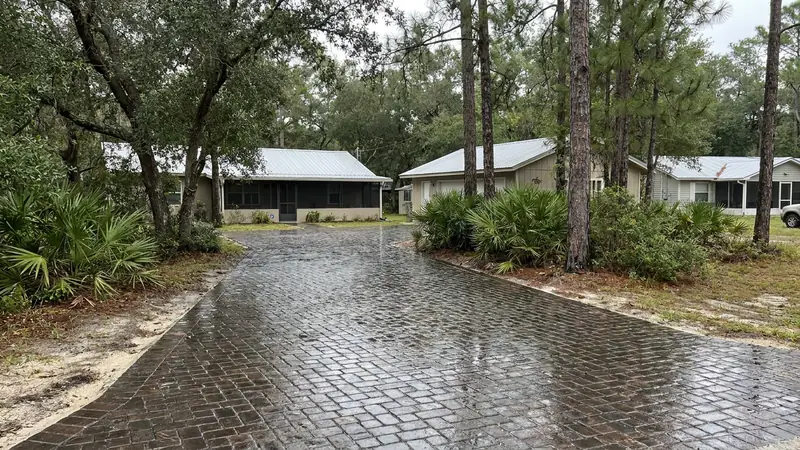
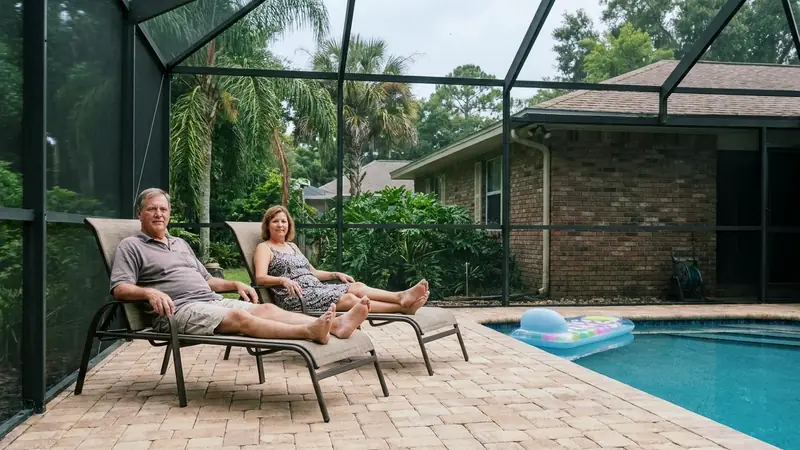
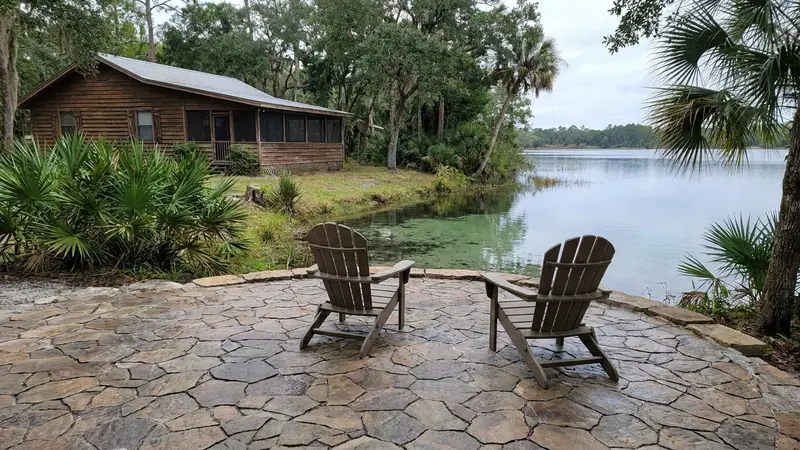
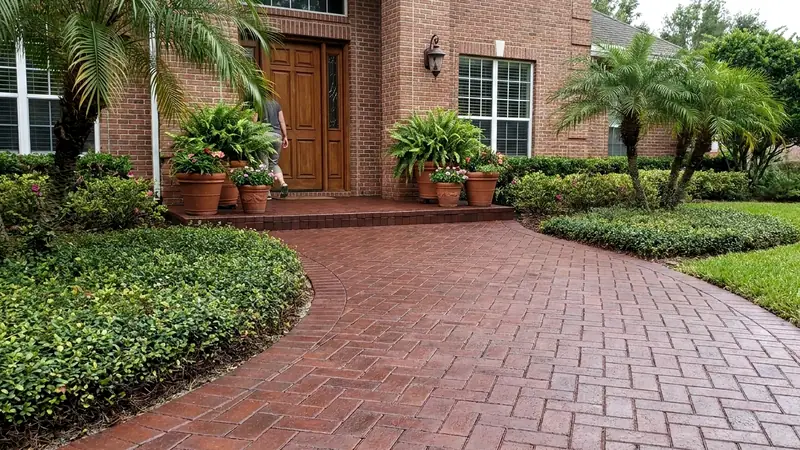
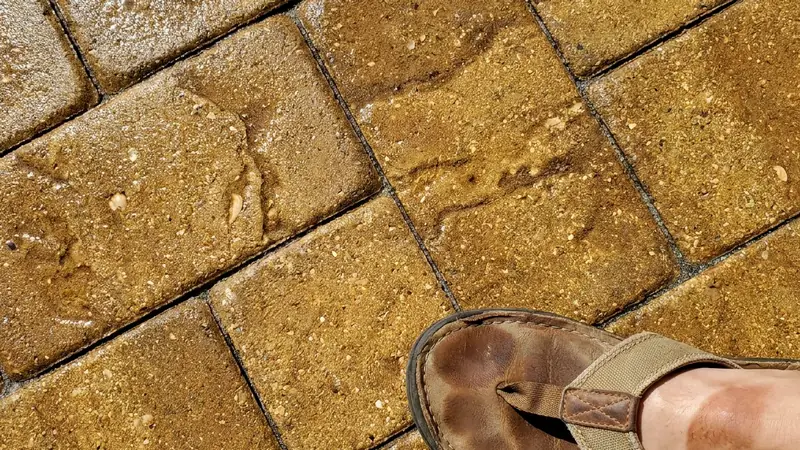
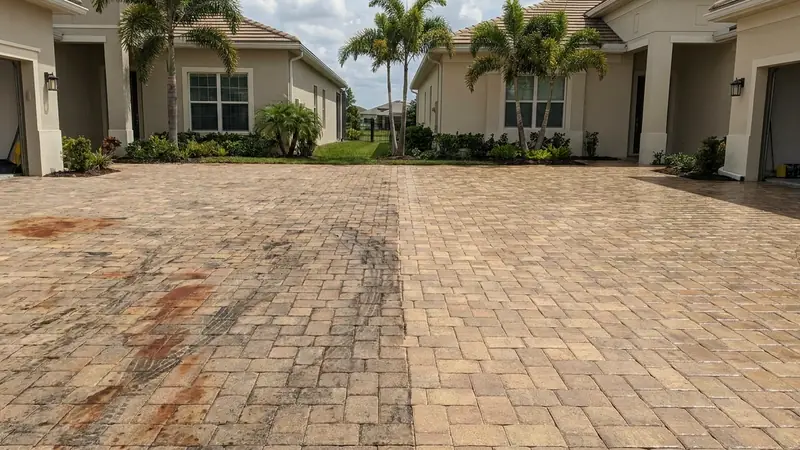
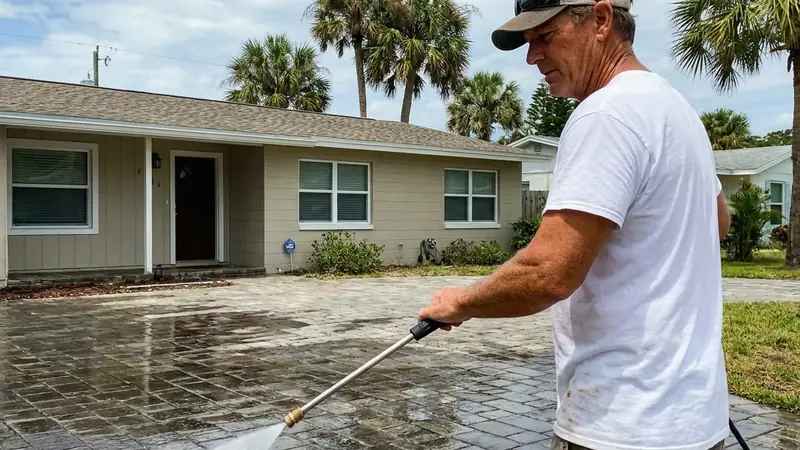
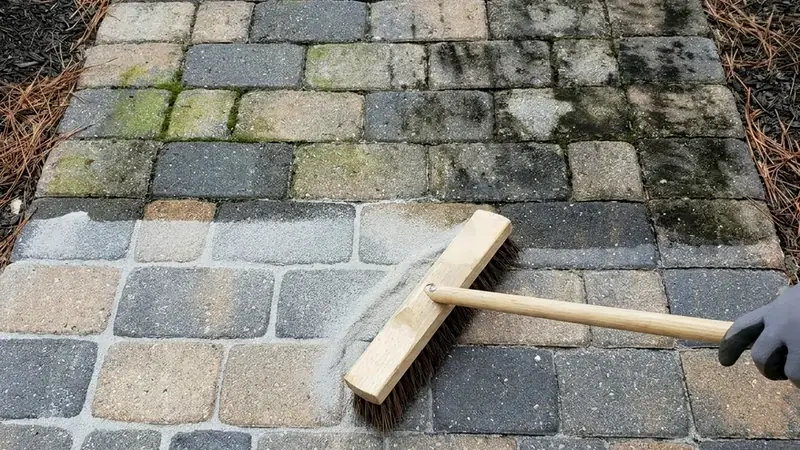
What do sealed pavers look like around Cedar Hills?
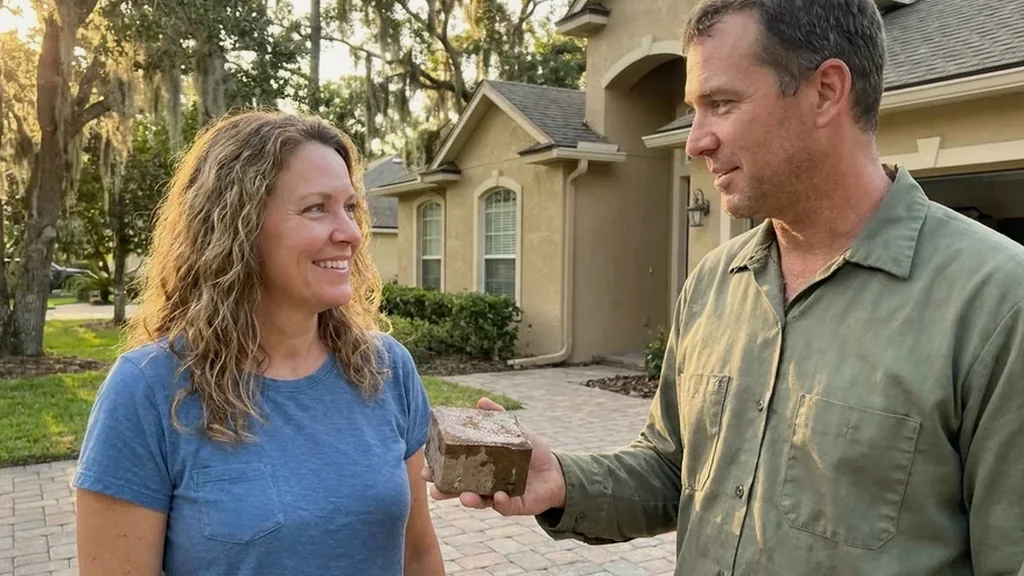
Why local matters in Cedar Hills
A contractor who knows Cedar Hills knows what a 1950s ranch looks like, so the conversation starts from the right place. They will ask about the eaves, the garage apron and the patio doors. That saves time on the first visit. To reach a local contractor, call (904) 736-3472.
Local work also means knowing the lots. Cedar Hills has wide front yards and long approaches, and many homes along the Cedar River have been enlarged or replaced. A contractor used to those sizes can estimate a long drive more closely. If that is your situation, ask for your free estimate.
Summer storms here arrive quickly, and a clear morning can end in rain. A contractor who works nearby can move a job by a day without losing the week. Call (904) 736-3472 to ask how a one-day move works, and there is no obligation to hire anyone.
What is the story behind Cedar Hills and its storybook streets?
Cedar Hills was built when Jacksonville was changing from a city to a ring of suburbs. It lies along the Cedar River, which locals call Cedar Creek, and the river wanders through the Westside before it joins the Ortega River. Weekend anglers fish it, and some fish travel between it and the St. Johns River. Near the river, ask for your free estimate to ask about your pavers.
Developers named the streets for nursery rhymes, from Mother Goose Road to the Flopsy, Mopsy and Cotton Tail lanes. Wilson Boulevard opened in 1955, and the National Guard built an armory in 1957 that later became the Mary Lena Gibbs Community Center. If you live near one of these spots, call (904) 736-3472 and tell the contractor your street.
Frequently Asked Questions
Is it good to seal pavers in Cedar Hills?
For a long driveway with thinning joints, yes. Hard summer rain washes sand out, and a coat helps hold what is left. You should know that sealing needs upkeep, and scuffs appear sooner on a wet look than on matte. A sealed surface is also easier to rinse between coats.
How long do paver sealers last in Cedar Hills?
Two to five years between coats is the figure shops here commonly give. A long drive with daily tires may sit at the short end, so walk the whole length each spring and look for wear. If water beads up, the coat is working, and if it soaks in and darkens the paver, the coat is spent.
How much does it cost to have pavers cleaned and sealed in Cedar Hills?
Companies around Northeast Florida publish $1.75 to $3.25 per square foot to clean, sand and seal, so start there. A long Cedar Hills driveway adds up quickly at that rate. Ask the contractor to put the total square footage on the quote so bids line up. A patio and a front walk can be added to the same estimate.
Why is paver sealing so expensive in Cedar Hills?
The price pays for four stages: washing, re-sanding, drying and sealing. Old sealer, thin joints and a long run of driveway add time. That explains why quotes differ from one Cedar Hills street to the next. Ask if the quote lists how many coats are planned.
Can new sealer go over an old coat on my Cedar Hills driveway?
Not always, because a water-based coat will not go over a solvent-based one. The contractor has to find out what the old product is before anything else. Pavers added to a 1950s house may have had several owners, so any receipt you find helps. A small test patch can settle the question when no one knows.
Will sealing fix a dip near the roof edge of my Cedar Hills house?
No. A dip is reset first, because sealing preserves any sunken or lifted section just as it is. Roof water from the eaves is a common cause, so mention the spot at the first visit. After the reset, the whole surface is sealed together.
How soon can I park on my Cedar Hills driveway after sealing?
Walking is usually fine after a few hours, and the car stays off for roughly a day. The exact wait shifts with the sealer and the weather. Get a clear wait time from the contractor for the product on your drive, and keep dogs and bikes off the pavers until then.
Can sealing handle rust marks on Cedar Hills pavers?
Rust is treated before sealing, since sealer would hold it in place. Irrigation water that carries a lot of iron is a frequent cause around Florida. Point out orange lines at the first visit so the wash can be planned around them.
Ready for a Free Estimate in Cedar Hills?
Call (904) 736-3472 and tell us about your pavers.
Free, no obligation