
Paver sealing for St. Augustine homes
Paver Sealing in St. Augustine, FL
A 6-foot tide, salt marsh and coquina shape pavers in St. Augustine, so call (904) 736-3472 for a free estimate.
- Brings out deeper paver color
- Fresh joint sand helps lock pavers in place
- Gives weeds less room to grow
- Makes the surface easier to keep clean
- Free estimate, no obligation
Request a Free Estimate
Free, no obligation.
Fast, careful paver sealing in St. Augustine
Paver sealing is available across St. Augustine, from the downtown blocks to the homes of Davis Shores on Anastasia Island. A local contractor cleans, re-sands and seals driveways, patios and walkways, and the estimate is free. Once you call (904) 736-3472, expect to hear back within 1 business day, usually much sooner.
Maybe your pavers have gone gray along the edges, with moss in the joints and sand washed out. After a wash, new sand and a coat of sealer, the pavers share one color again. To start, ask for your free estimate and describe what you see on your driveway or patio, with no obligation.
Why hire a local paver sealing contractor in St. Augustine?
People in St. Augustine hire a local paver contractor because salt marsh, old stone and a tidal bay all change how a job goes. To hear how that fits your street, call (904) 736-3472.
Price in writing first
You see a written price for your St. Augustine pavers before any work is agreed, after the contractor has looked over the lot.
A range to measure against
Published prices in the region sit between $1.75 and $3.25 per square foot, which gives you a yardstick for any bid.
A finish that fits old stone
Matte sits quietly next to coquina and brick, and a wet look adds gloss. Either one is your choice to make.
No strings
Asking for an estimate commits you to nothing, and the date stays in your hands.
Get Your Free Estimate in St. Augustine
Tell us about your pavers in St. Augustine.
Free, no obligation
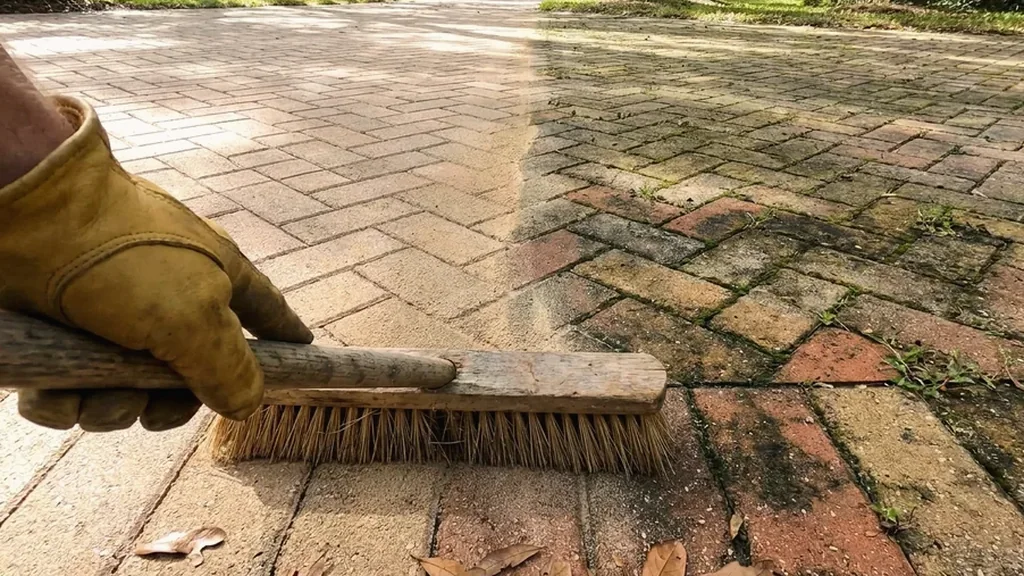
What paver problems show up most in St. Augustine?
Damp joints beside the marsh
The Matanzas River is a tidal estuary with a range of up to 6 feet, and tidal marsh borders it. Fort Mose sits on the edge of a salt marsh just north of the old town. Pavers on low, wet ground can stay damp for long stretches. Damp pavers grow green film, and sealer needs a dry surface, so a contractor checks the lowest corner of your lot first. That look also shows where the job may take extra time. Low corners are common near the bay, so the lowest spot sets the pace for the whole job. The city is about 22 percent water by area, so wet ground is never far away in this town.
Fill ground that drains slowly
The USDA keeps a soil series named for this city. It is sandy fill from dredging, mixed with bits of shell, and it is rated somewhat poorly drained on flats beside tidal marshes. Not every lot sits on it, so a contractor looks at your own yard. Where water lingers, expect green film and a longer wait before the sealer goes on. A dry day or two in a row helps most. A short walk around the yard with the estimator tells more than any soil map can. The USDA places that fill on flats and low ridges beside estuaries, so the low parts of a yard get a look first.
Summer cloudbursts that empty the joints
The climate summary for the city describes intense but brief downpours in summer. A St. Augustine paver company says summer storms and irrigation pull sand out of joints. Over a few seasons the joints open up, and soil and weeds move in. Sealer holds whatever is in the joint, which means the sand gets refilled first. Skipping that step leaves open gaps under a fresh coat. The same storms also leave dirt on the surface, so a wash is needed either way. Fall and spring are warm and sunny, which makes them easier seasons for sealing.
Coquina and old stone beside the pavers
Workers quarried coquina, a shell stone, for the Castillo de San Marcos and for a sea wall in the 1690s. If your pavers meet an old stone wall or a step, rinse water needs care. Run-off should be steered away from soft stone and stucco. Tell the estimator what stands beside your pavers, so the plan covers it. A small note now saves a surprise later. Cleaner and rinse choices change with the type of stone, which is why you mention it up front. A stucco or coquina wall that stays damp can mark easily, so ask the estimator how rinse water will be handled.
Algae in side yards and on north patios
Per a paver company in St. Augustine, algae and mildew grow wherever pavers stay damp. On most lots in the county, that means side yards and north-facing patios. The sun rarely dries those spots. Green film makes pavers slick, which means it should be cleaned off before sealing, never sealed over. A clean, dry surface is what lets the sealer grip. Sprinkler overspray adds to the damp, since sprinklers often hit a driveway every morning. A side yard between two houses gets little direct sun, which is how green film gets its start.
Is my St. Augustine home in a historic district, and does that change a paver job?
Possibly, because the city has five Historic Preservation zoning districts, and changes to buildings and sites inside them need approval from its Historic Architectural Review Board. The city page does not name sealing, so ask city staff about your address, since rules can differ from one district to the next. Then ask for your free estimate so the contractor can plan around whatever applies.
Downtown, St. George Street is a pedestrian street with over 30 historic houses and attractions, and the Ponce de Leon Hotel, now Flagler College, dates to 1888. A courtyard behind an old wall may need gear carried in by hand. When you call (904) 736-3472, say which block you live on, so access is part of the quote. Narrow gates and stairs can change how a crew works.
Across Matanzas Bay, Davis Shores and Lighthouse Park are the city's neighborhoods on Anastasia Island. The island averages about 1 mile wide, so most homes there sit near the water. Ask how the contractor plans for damp days and for wind off the water, then ask for your free estimate.
What does paver sealing cost in St. Augustine?
Published prices in the region run $1.75 to $3.25 per square foot for a clean, sand and seal. Size, old sealer and how much sand has washed out move a St. Augustine job within that range. A St. Augustine paver company also lists access, such as gates, tight side yards and furniture to move. To get a number for your pavers, ask for your free estimate.
Old, peeling sealer costs more to deal with, and a water-based coat cannot go over a solvent-based one. Damp ground near the marsh can add waiting time between the wash and the seal. Sunken or lifted pavers need repair first, because sealing does not fix them. Call (904) 736-3472 and the contractor can sort out which of these apply to your yard.
| Paved area | Typical example | Clean, sand and seal |
|---|---|---|
| 300 sq ft | Small patio or walkway | $525 to $975 |
| 600 sq ft | Two car driveway | $1,050 to $1,950 |
| 1,000 sq ft | Large driveway or pool deck | $1,750 to $3,250 |
| 1,500 sq ft | Driveway plus pool deck | $2,625 to $4,875 |
Math based on the $1.75 to $3.25 per square foot that Northeast Florida paver companies publish. Your contractor sets the actual price after seeing the surface. Repairs, leveling and stripping failed sealer are usually extra.
How does a paver sealing job work in St. Augustine?
Look at the lot
Before any hose comes out, the contractor stands in your yard and looks for puddles, shade and old stone. Low corners near the marsh tell the most. Sunken spots go on a repair list, because sealer will not lift them. Any past coat is identified, since a water-based product cannot be laid over a solvent-based one.
Wash the surface
Next the pavers get cleaned. Green film from damp side yards lifts off, and rust from well-water irrigation gets its own treatment. Rinse water is steered away from coquina, brick and stucco. Stains that soaked in deep may fade instead of vanishing, and you hear that before work starts.
Sand the joints
The wash takes joint sand with it, so each joint is topped up afterward. After summer cloudbursts, empty joints are a common sight here. Filled joints keep soil and weeds out and let the pavers lean on each other. The surface is brushed clean once the sand is in.
Let it dry
Sealer goes down only on a dry surface. Low corners near the marsh and shaded side yards are checked last, because they hold water longest. A St. Augustine paver company says brand-new pavers should wait 60 to 90 days. Waiting one more day beats sealing damp pavers and ending up with a cloudy coat.
Seal and set the rules for use
Finally the sealer goes on in even passes, in matte or wet look. The contractor says when feet and cars can return. A Jacksonville company puts foot traffic at a few hours later and cars at about a day. Get the product name in writing, so the next coat can match.
Complete paver services in St. Augustine
A job here starts with a wash and ends with sealer, and the order in between matters. Sand goes back into the joints after cleaning, and a dry surface comes before the coat. Taking the steps in sequence keeps dirt from being sealed under the finish. To hear how long each stage takes on your lot, call (904) 736-3472.
Think about what each part of your property does. Driveways take tires, patios take chairs and pool decks stay wet. Brick pavers and concrete pavers are both sealed, and any wall or step beside them is protected during rinsing. When you ask for your free estimate, list the surfaces you have and what sits next to them.
Two choices decide the sealer. The first is chemistry, since a water-based coat cannot be laid over a solvent-based one. The second is finish, and matte keeps quiet next to coquina while a wet look glows and shows wear sooner. For help choosing for a St. Augustine house, call (904) 736-3472.
Scheduling follows the weather. Summer storms come in short, hard bursts, and sealer cannot go on damp pavers, so dates sometimes slide. The cool, dry season from November through April gives steadier windows. To find a day that works on your street, ask for your free estimate.
Questions to ask before you hire
- Who do I call if the finish looks cloudy or uneven after the job?
- Is the pressure you use safe for pavers that were laid many years ago?
- Will the estimate in writing list the sealer, the number of coats and the area covered?
- Will you re-level any pavers that have sunk before the sealer goes on?
- How long do I keep the cars off the driveway after sealing?
- Do you charge extra for a pool deck or a screened lanai?
- Does sandy soil change how you prepare my pavers?
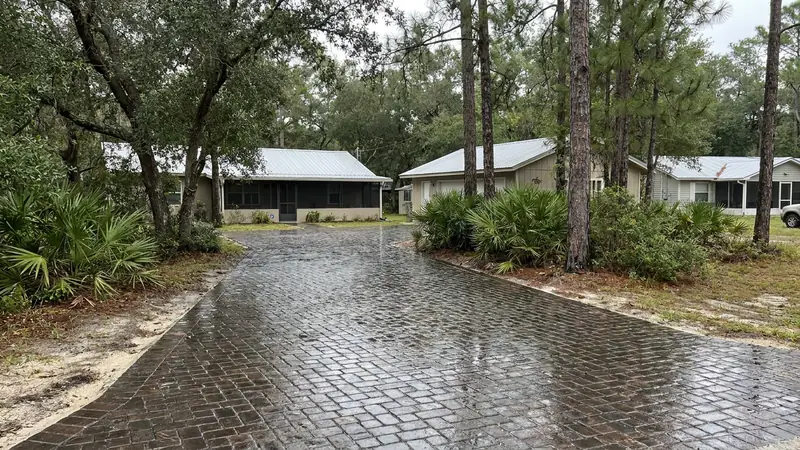
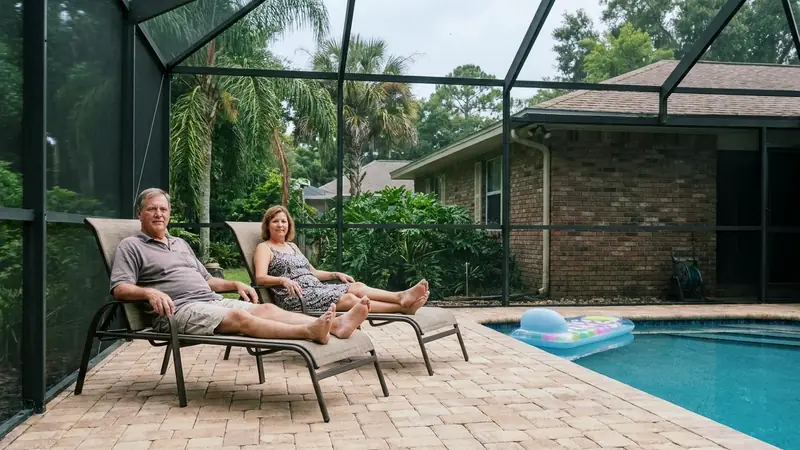
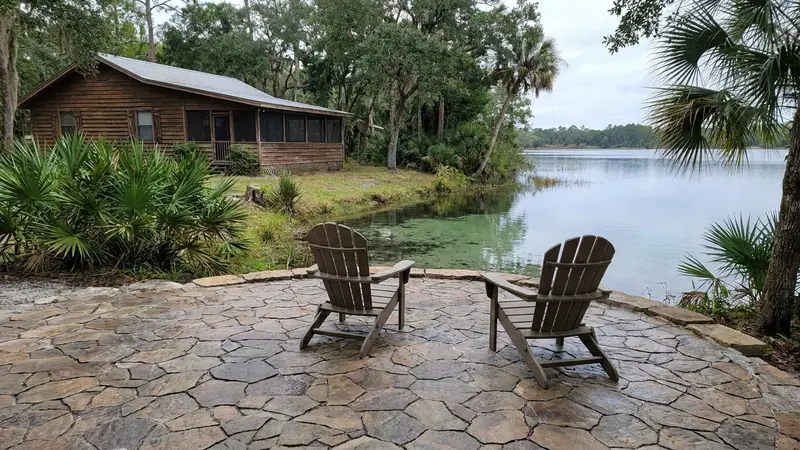
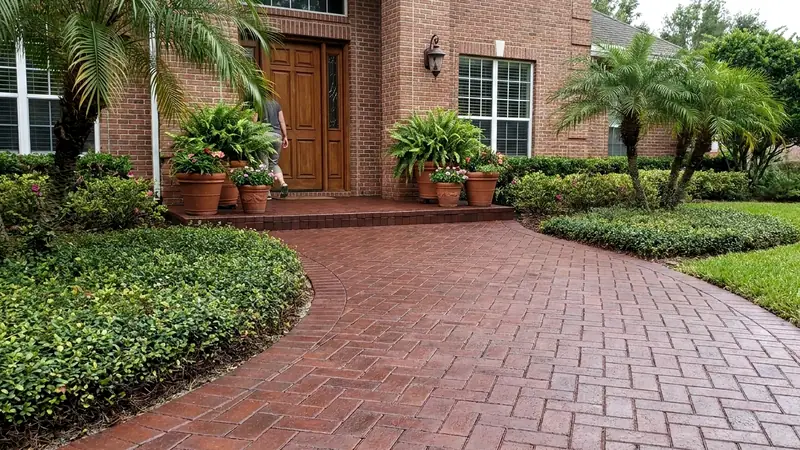
What do sealed pavers look like around St. Augustine?
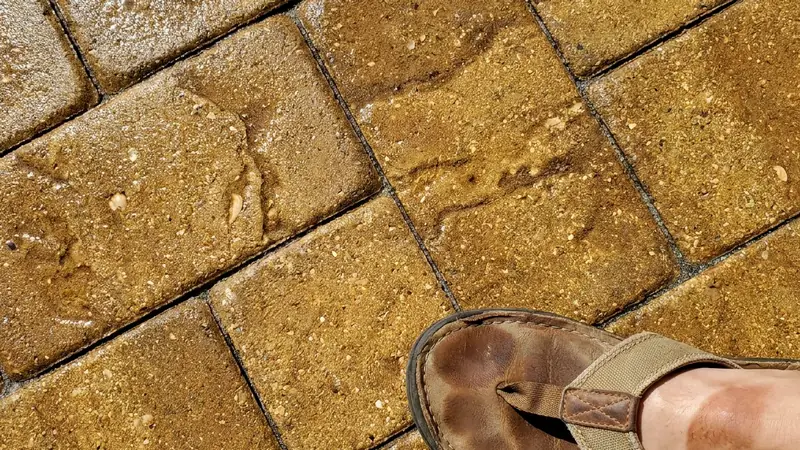
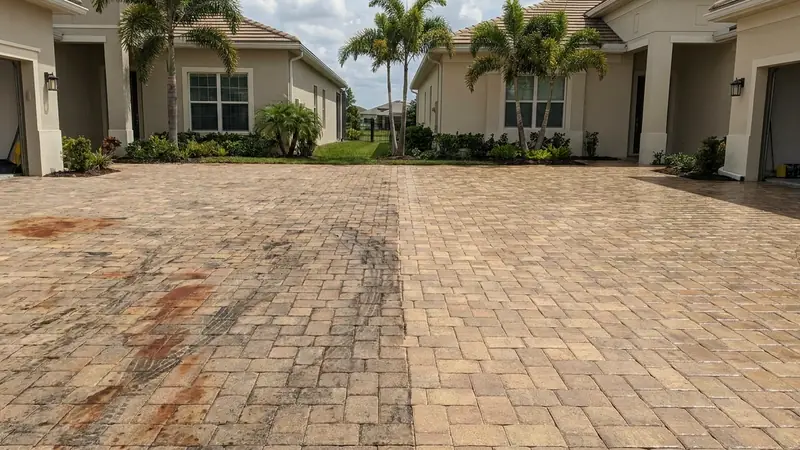
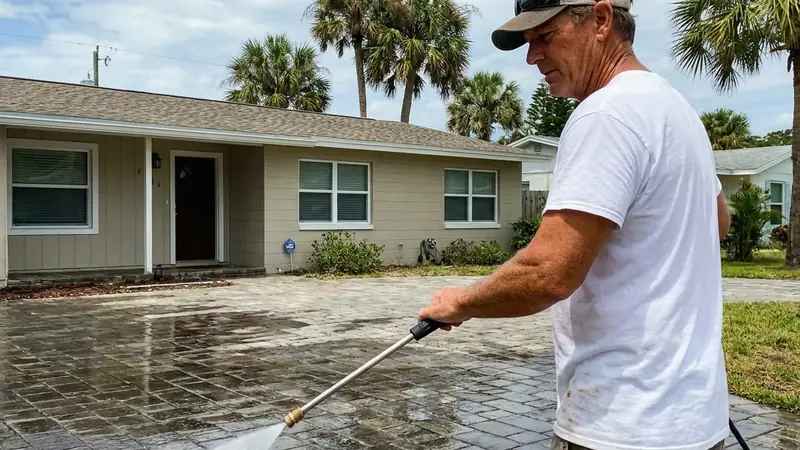
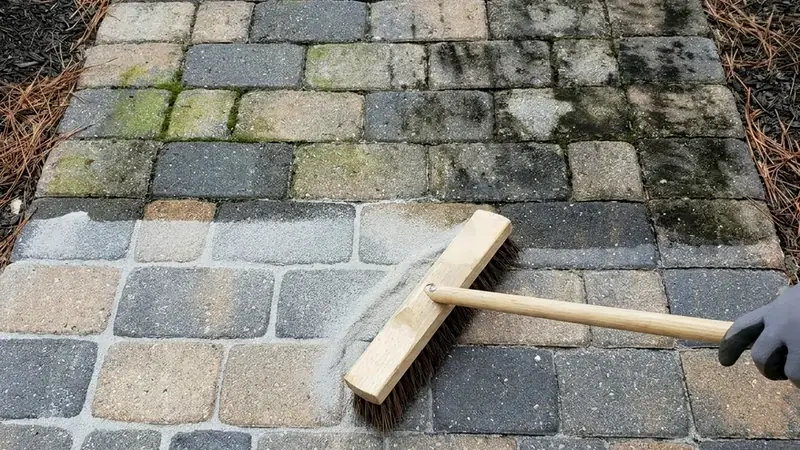
Why local matters in St. Augustine
A contractor who knows St. Augustine will ask about tides and shade before quoting. The bay, the marshes and the Matanzas River decide which corners stay wet. Anyone working from far inland could overlook that question. To reach a contractor who works near the Matanzas River, call (904) 736-3472.
Local know-how covers the paperwork too. Five historic zoning districts cover parts of the city, and the review board looks at changes to buildings and sites inside them. A local contractor will know to ask which district your home sits in. You can ask for your free estimate and ask how that fits your address.
Older stone shows up around town, from the coquina Castillo to garden walls. A contractor familiar with the city knows to rinse gently there. That care protects what your neighbors and visitors see from the street. If your pavers meet an old wall, ask for your free estimate and mention it.
Which St. Augustine landmarks help place my home for a contractor?
Name the landmark nearest your street, because the city is small and a few places anchor it. The Castillo de San Marcos, finished in 1695, stands downtown, and Flagler College fills the 1888 Ponce de Leon Hotel. Fort Mose, a free Black settlement founded in 1738, lies on a salt marsh north of the old town. Near any of them, call (904) 736-3472.
The Bridge of Lions, completed in 1927, carries A1A across Matanzas Bay to Anastasia Island. At the north end of the island stands the St. Augustine Lighthouse, built from 1871 to 1874. Mention one of these when you ask for your free estimate, and the contractor can place your pavers on the map quickly.
Frequently Asked Questions
How much does paver sealing cost per square foot in St. Augustine?
Plan on $1.75 to $3.25 per square foot for the full clean, sand and seal, which is what companies in the region commonly publish. Size, old sealer and missing joint sand move a St. Augustine job within it. Ask for the total area in writing so you can compare quotes. Pool decks, walkways and driveways get measured together, so a bigger layout means a bigger total at the same rate. Published prices in the region are a guide, not a quote, so the written estimate is what counts.
Is it good to seal pavers in Florida, even near St. Augustine's marshes?
Yes, in most cases, because sun, summer storms and damp shade wear unsealed pavers fast. Sealer slows fading and helps hold joint sand in place. It is not a repair, so sunken or cracked pavers need work first. Shaded side yards and north-facing patios, where algae likes to grow, gain the most from a clean, sealed surface. Algae and mildew grow where pavers stay damp, which on many St. Augustine lots means side yards and north patios.
How long do paver sealers last around St. Augustine?
Quoted spans between coats run two to five years, a figure companies commonly give. A St. Augustine paver company says to plan on about 2 to 3 years for most homes. Driveways with daily tires and pool decks tend toward the short end. A simple check helps: when water stops beading on the surface after rain, the coat is wearing out.
Can a contractor pressure wash brick pavers in St. Augustine?
Yes, washing is the first step of a sealing job, on brick or concrete pavers. The wash lifts dirt and green film and also removes joint sand, so new sand goes in before the sealer. If your brick sits beside coquina or stucco, mention it so rinse water is handled with care.
Does the city need to approve paver sealing in a St. Augustine historic district?
It depends on your address. The city has five Historic Preservation zoning districts, and changes to buildings and sites in them need approval from the Historic Architectural Review Board. The city page does not name sealing, so check with city staff before work begins. A short call or email to the city can settle it, and the contractor can plan the job around what you learn. Owners in a district can ask the city's planning staff which rules reach their street.
How long until I can walk or park on sealed pavers in St. Augustine?
Foot traffic is usually fine within a few hours, and cars should stay off for about a day, according to a Jacksonville paver company. The sealer and the weather change that, so the contractor will give you a time. A damp, shaded St. Augustine patio may need longer than a sunny driveway.
Will a contractor fix sunken pavers before sealing in St. Augustine?
Ask, because sealing does not fix sunken, lifted or cracked pavers. Sealer holds whatever it covers, dips included. A good quote says whether the contractor repairs them or whether a paver installer should do it first.
What are the downsides of sealing pavers in St. Augustine?
Sealer wears down over time and needs a fresh coat, and a wet look shows scuffs before matte does. It also needs a dry surface, which can push back a date on a damp St. Augustine lot. None of these is a reason to skip sealing, only a reason to plan the job well.
Ready for a Free Estimate in St. Augustine?
Call (904) 736-3472 and tell us about your pavers.
Free, no obligation